Self-driving technology is no longer something people only talk about as a future concept. In 2026, autonomous and semi-autonomous vehicles are part of the real traffic mix in California. That creates a new question for injured people: what happens when the crash involves software, sensors, remote systems, or a vehicle that was not being driven in the usual way? If you are dealing with a self-driving car accident San Diego case, the answer is often more complicated than a normal traffic claim.
Most people still assume every crash comes down to one careless driver. In an autonomous vehicle case, that may be only part of the story. The human occupant, the safety operator, the vehicle manufacturer, the software developer, a fleet company, a maintenance provider, or even another road user may all become part of the liability analysis. That is why these claims need a different level of investigation from the start.
San Diego drivers, passengers, bicyclists, pedestrians, and rideshare users are sharing roads with more advanced vehicle systems than ever before. Some cars have partial automation features. Others may operate with more independent driving functions in limited settings. When one of those systems fails, reacts too late, misreads a hazard, or creates confusion in traffic, injured victims can be left dealing with serious medical bills, lost income, and insurance arguments that were never part of a traditional crash.
Why Self-Driving Car Injury Claims Are Different From Normal Crash Cases
In a standard collision, investigators usually focus on familiar issues such as speeding, distraction, impairment, failure to yield, or unsafe lane changes. Autonomous vehicle cases can still involve those same issues, but they may also involve technical failure, system misuse, weak monitoring, delayed human takeover, or flawed data interpretation.
Liability May Extend Beyond the Person Inside the Vehicle
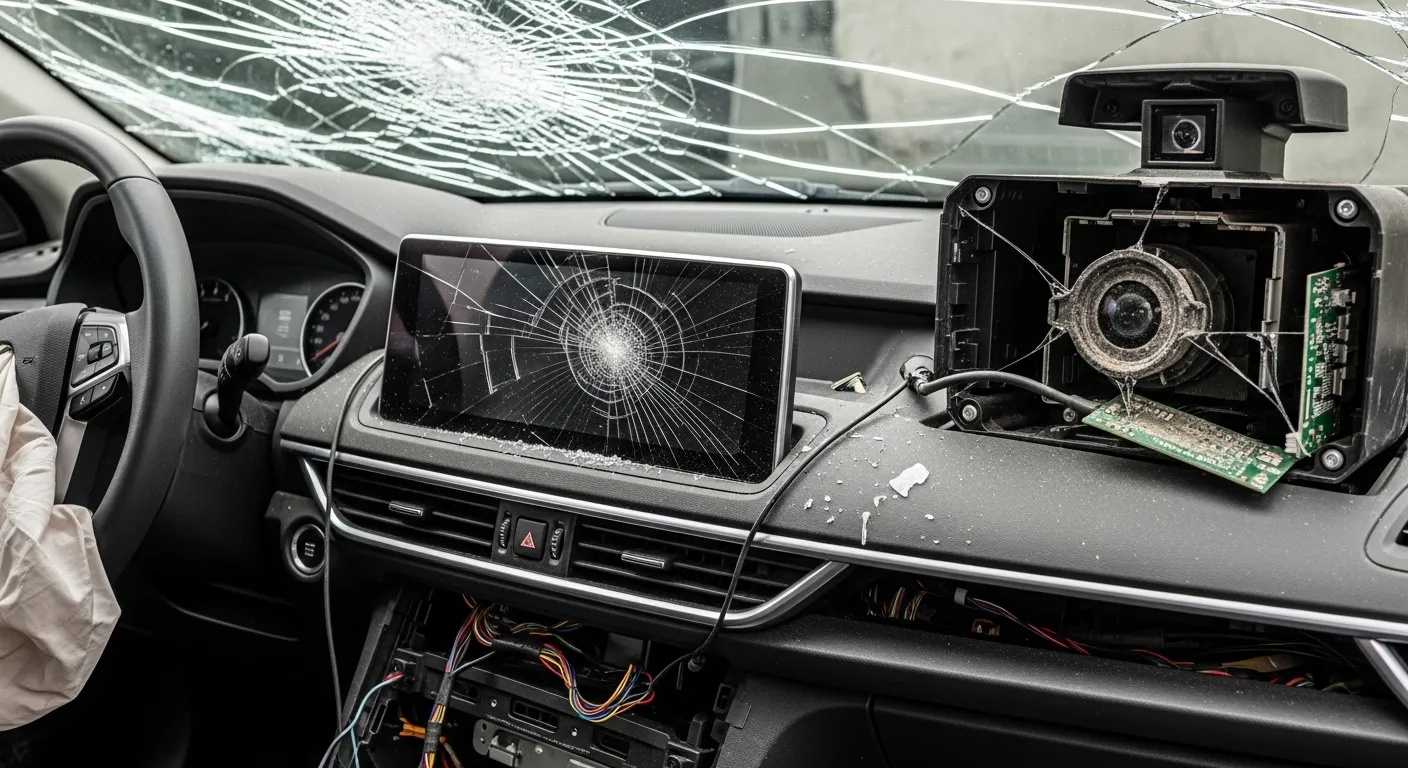
One of the biggest differences in these cases is that the person sitting in the vehicle may not be the only one under scrutiny. Depending on the facts, responsibility could involve a manufacturer, software company, commercial fleet operator, maintenance provider, or another driver whose actions triggered a chain reaction.
That matters because self-driving crash claims often raise questions that do not come up in a regular fender bender. Was the system engaged? Did the vehicle detect the hazard correctly? Was there a known defect in the sensing, braking, or navigation system? Did the human occupant ignore warnings to retake control? Did the company fail to maintain the vehicle or update the software properly?
Product Liability Can Enter the Case Quickly
If a self-driving feature malfunctioned, the claim may move beyond ordinary negligence and into product liability territory. That can happen when a vehicle system is defectively designed, poorly tested, improperly updated, or fails in a way that creates an unreasonable safety risk. In that situation, the case may focus less on careless driving and more on whether the technology itself was unsafe.
This is one reason autonomous vehicle cases can become evidence-heavy very fast. A victim may need to preserve more than photographs and witness names. Electronic logs, software status, onboard event data, warning history, and company records may all matter.
Insurance Issues Can Become More Complicated
Insurance disputes also get messier when multiple parties are involved. A human driver’s policy may not be the only relevant coverage. Commercial policies, fleet coverage, umbrella policies, and corporate defense teams may enter the picture. The more moving parts there are, the more likely it becomes that each side will try to shift blame somewhere else.
If your site wants strong internal-link support here, this section pairs naturally with Distracted Driving Accidents in San Diego: How Phone, App, and Screen Evidence Can Strengthen Your Injury Claim and San Diego Rideshare Accidents: What to Do After an Uber or Lyft Crash.
The Evidence in an Autonomous Vehicle Case Is Often More Technical
In a regular crash, evidence often starts with the police report, vehicle damage, medical records, witness statements, and scene photographs. Those still matter here, but autonomous vehicle claims may depend heavily on technical records too.
That includes onboard data, sensor information, app or fleet records, camera footage, system alerts, maintenance logs, and software status at the time of the crash. The vehicle may hold critical evidence about braking, steering, speed, hazard detection, route decisions, and takeover prompts. If that evidence is not preserved early, it may become much harder to reconstruct what actually happened.
Pedestrians and Cyclists Face Unique Proof Problems
When a self-driving vehicle hits a pedestrian, bicyclist, or e-bike rider, the defense may argue that the injured person moved unpredictably or entered the roadway too suddenly. Sometimes that will be true. Sometimes it will be an excuse used to distract from system limitations, poor caution, or delayed response. These cases often turn on timing, sight lines, speed, and whether the vehicle handled a foreseeable street conflict reasonably.
This makes internal linking especially easy with E-Bike Accidents in San Diego and Pedestrian Accidents in San Diego.
What Injured Victims Should Do After a Self-Driving Car Crash
The first steps after any serious crash still matter: get medical care, report the incident, and document what you can. But in a self-driving crash, the need to preserve evidence becomes even more urgent because key facts may live inside digital systems you do not control.
Document More Than the Damage You Can See
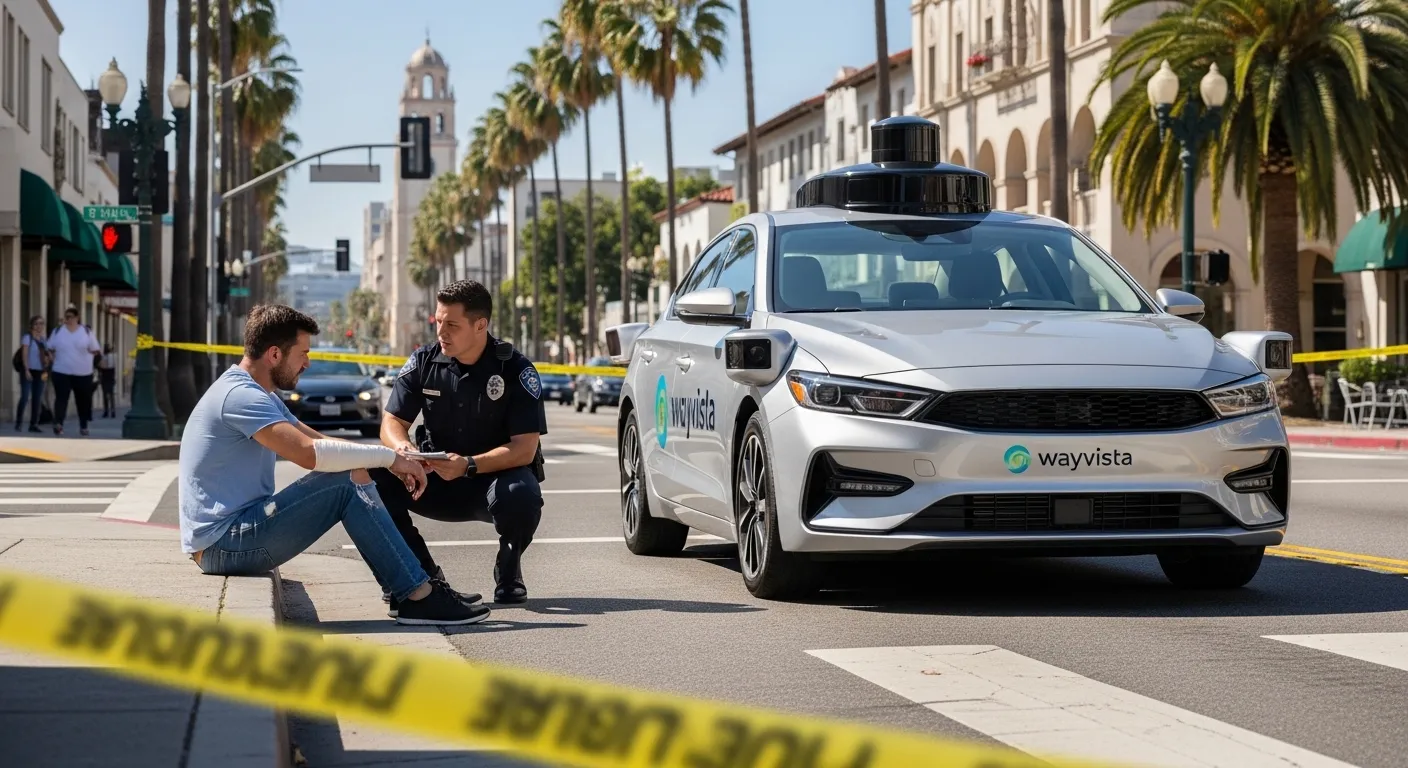
If you are physically able, gather the basics immediately. Get photographs of the vehicles, the road layout, visible injuries, traffic controls, weather, skid marks, and any debris. Ask for the names and contact details of witnesses. Note the exact location and time. If the vehicle appeared to be operating in autonomous mode, record anything you observed about its behavior before and after the crash.
Did it hesitate oddly? Brake late? Stop in an unusual place? Fail to recognize a pedestrian, cyclist, or traffic pattern? Those details may feel small in the moment, but they can matter later when companies and insurers begin explaining the incident in their own way.
Seek Medical Treatment Without Delay
Prompt treatment is still critical. Some injuries, especially head trauma, spinal injuries, internal injuries, and soft-tissue damage, are not always obvious right away. Medical records also help connect the crash to your injuries and show how the event affected your life. Waiting too long gives the defense room to question both severity and causation.
Avoid Letting the Case Be Framed Too Early
Do not assume the first explanation you hear is the full story. In a technically complex crash, early statements from companies or insurers may present the collision as a simple user error or road-user mistake before the deeper evidence is reviewed. That is exactly why early investigation matters. Once digital evidence disappears or gets overwritten, recovering the full picture can become much harder.
Why Legal Strategy Matters More in These Claims
A self-driving car accident case may involve negligence law, product liability law, commercial insurance issues, and evidence preservation demands all at once. That means the legal strategy has to account for more than just “who hit whom.” It has to address how the technology functioned, what records exist, who controlled them, and whether multiple parties share legal responsibility.
For injured victims, the goal is still the same as in any serious injury case: recover compensation for medical expenses, lost earnings, pain and suffering, future care needs, and other damages allowed by law. The difference is that autonomous vehicle cases often require a wider investigation before the liability picture becomes clear.
As self-driving technology becomes more common, San Diego injury claims involving these vehicles will keep getting more complicated, not less. Anyone hurt in one of these collisions should treat it as more than an ordinary crash. The key question is not just who was in the driver’s seat. The real question is who controlled the risk, who failed to prevent the harm, and what evidence proves it.
For broader consumer guidance, you can also link to the California DMV’s Autonomous Vehicle Collision Reports page and NHTSA resources on automated vehicle safety.