
E-bikes and e-scooters are now everywhere in San Diego. You see them in Downtown, Mission Beach, Pacific Beach, and residential areas. Most people think about crash risks first. However, another danger is growing fast in 2026—battery fires. If you are dealing with a lithium battery fire injury San Diego case, the legal issues may go far beyond a normal accident claim.
Lithium-ion batteries power many everyday devices. These include e-bikes, e-scooters, tools, and battery packs. When they work correctly, they are reliable. When they fail, the results can be severe. Overheating can trigger thermal runaway. Fires can spread quickly. In some cases, batteries explode or release toxic smoke.
Federal safety regulators have already warned about this issue. Lithium-ion battery fires can spread rapidly and create dangerous conditions indoors. These incidents often happen in garages, apartments, or charging areas where people feel safe.
This problem is not theoretical. Recent reports show fatal fires linked to e-bike batteries. In some cases, the battery started sparking before quickly igniting. Victims suffered burns, smoke inhalation, and serious property damage.
Many people assume these events are just accidents. That is not always true. Some cases involve defective batteries, unsafe chargers, or poor product design. Others involve counterfeit components or improper maintenance. When that happens, the situation may become a legal case.
Why Lithium-Ion Battery Fire Cases Are Different From Ordinary Injury Claims
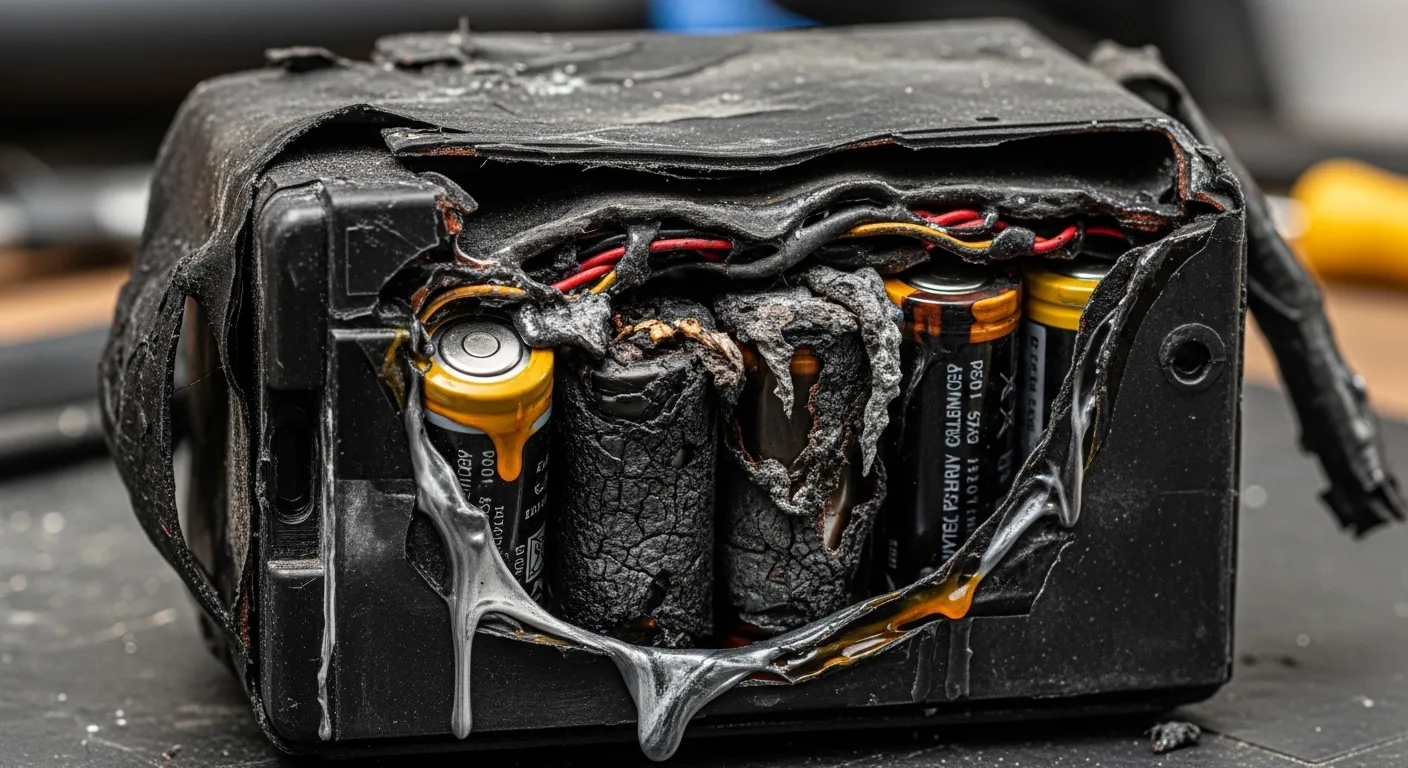
Battery fire cases do not follow the same pattern as typical injury claims. They often begin with a device that overheats during charging. The fire may start without warning. That makes the investigation more technical and evidence-focused.
These Cases Often Involve Product Liability
Most personal injury claims focus on careless behavior. Battery fire cases often focus on defective products. The issue may involve design defects, manufacturing flaws, or missing safety warnings.
If a battery lacks proper safeguards, it may overheat under normal use. If a charger fails to regulate power correctly, it can trigger a dangerous reaction. In these situations, liability may extend beyond the user.
This connects well with San Diego Space Heater Injury cases. Both involve consumer products that fail and cause harm.
The Battery Is Only One Piece of the Problem
Many people blame the battery alone. In reality, multiple components may contribute to failure. The charger, wiring, connectors, or battery management system may all play a role.
Some incidents involve third-party chargers that do not match the device. Others involve products sold online with unclear origins. Poor quality control increases the risk of failure.
Smoke and Fire Cause More Than Burn Injuries
Battery fires often produce thick, toxic smoke. Victims may suffer lung damage or breathing problems. Some injuries occur while escaping the fire. Falls, impact injuries, and panic-related trauma are common.
These cases can quickly become severe. That is why investigators treat them differently from simple accidents.
Multiple Parties May Be Responsible
Battery fire claims rarely involve one responsible party. Several parties may share liability depending on the facts.
This may include manufacturers, distributors, importers, and online sellers. In shared mobility cases, a fleet company may also be involved. Maintenance providers or repair shops may also play a role.
This section pairs well with E-Bike Accidents in San Diego and E-Scooter Accidents in San Diego.
What Injured Victims Should Do After a Battery Fire
After a battery fire, safety comes first. Get medical care immediately. Once safe, focus on preserving evidence. This step is critical in product-related cases.
Preserve the Device and Evidence
Do not throw away the burned device. Keep the battery, charger, and damaged parts if possible. These items may become key evidence later.
Take clear photos of the scene. Document burn patterns, smoke damage, and the charging setup. Capture images of outlets, cords, and nearby objects.
Save receipts, packaging, and manuals. Keep online order confirmations and product listings. If the device was rented, save app data and trip history.
Get Medical Care Right Away
Some injuries do not appear immediately. Smoke inhalation may worsen over time. Burns may deepen after initial treatment. Early medical care protects both your health and your claim.
Avoid Quick Assumptions About Fault
Companies often point to user error first. They may claim improper charging or misuse caused the fire. Sometimes that is true. Other times, it hides a product defect.
Do not accept early conclusions without evidence. A full investigation should determine the real cause.
Why This Issue Is Growing in 2026
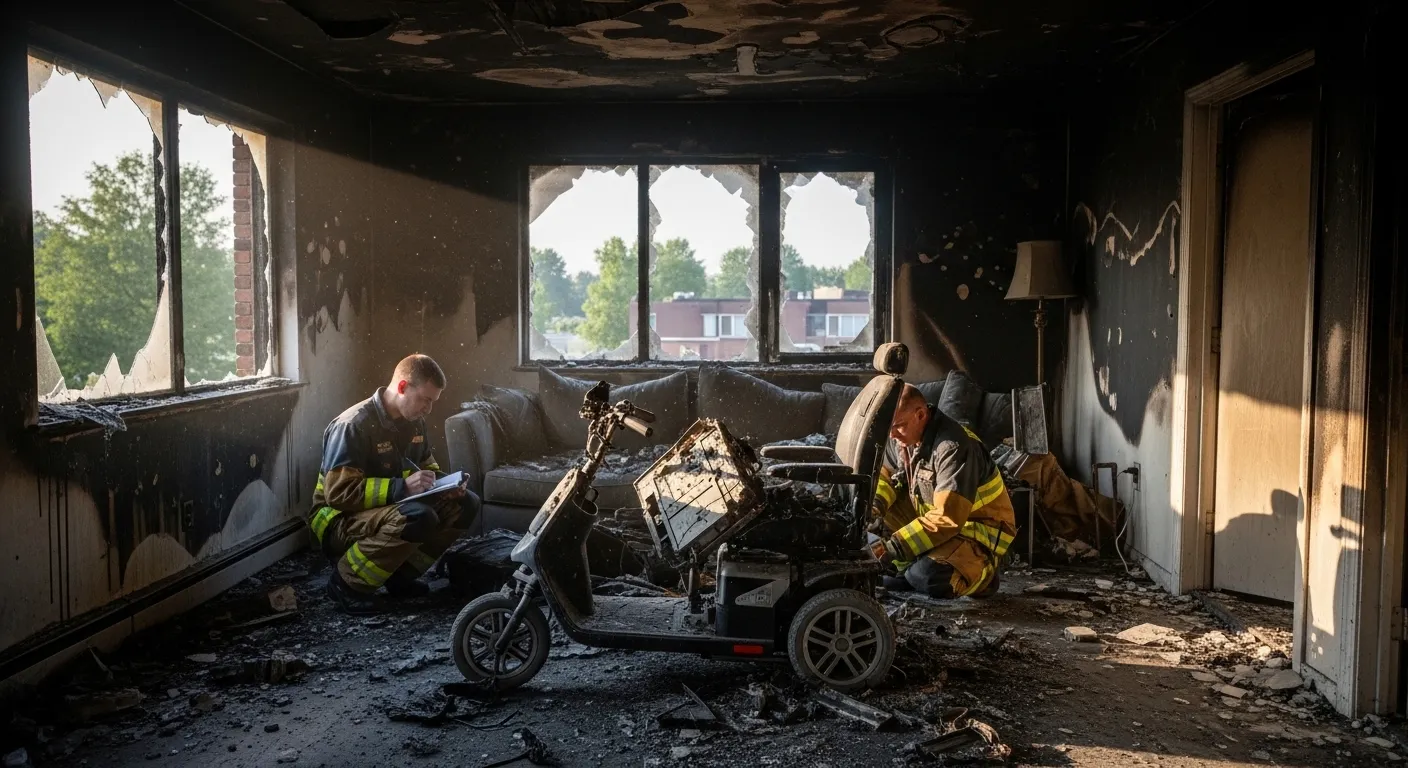
Micromobility continues to expand across California. At the same time, new safety laws now focus on battery standards and product safety. This reflects a growing concern about fire risks.
Battery-related incidents continue to appear in safety reports. These events highlight the need for better manufacturing, clearer warnings, and safer charging systems.
The legal takeaway is simple. A lithium-ion battery fire may not be just an accident. It may involve defective products, negligence, or both.
For San Diego injury cases, this topic connects multiple areas. It involves product liability, fire injuries, and micromobility risks. That makes it a strong and relevant subject for your site.
For additional guidance, you can refer to the U.S. Consumer Product Safety Commission’s battery safety resources.