San Diego intersection crashes have always been complex. In 2026, they also raise new legal questions. The city now focuses more on speed reduction, corridor safety, and Vision Zero street design. Because of that, lawyers and insurers often look beyond the traffic light itself. They may examine the corridor, the posted speed, the crosswalk design, and the area’s safety history.
That shift makes San Diego intersection injury claims 2026 a strong topic for your site. It fits well with your existing content on distracted driving accidents in San Diego, pedestrian accidents in San Diego, rideshare accidents, and uninsured driver claims.
For injured people, this matters for one simple reason. Intersection cases rarely stay simple. A driver may blame the pedestrian, cyclist, scooter rider, signal timing, or traffic pattern. The injured person may know the driver sped, turned carelessly, or looked at a phone. Still, proving that requires strong evidence and a clear legal theory.
Why San Diego Intersection Injury Claims 2026 Matter More Now
Intersection crashes happen often because many risks meet in one place. Drivers turn left and right, change lanes, and rush yellow lights. Pedestrians cross. Cyclists and scooter riders move through the same area. Parked cars may block sight lines. Add tourism traffic, delivery vehicles, rideshare pickups, and phone distraction, and fault becomes harder to sort out.
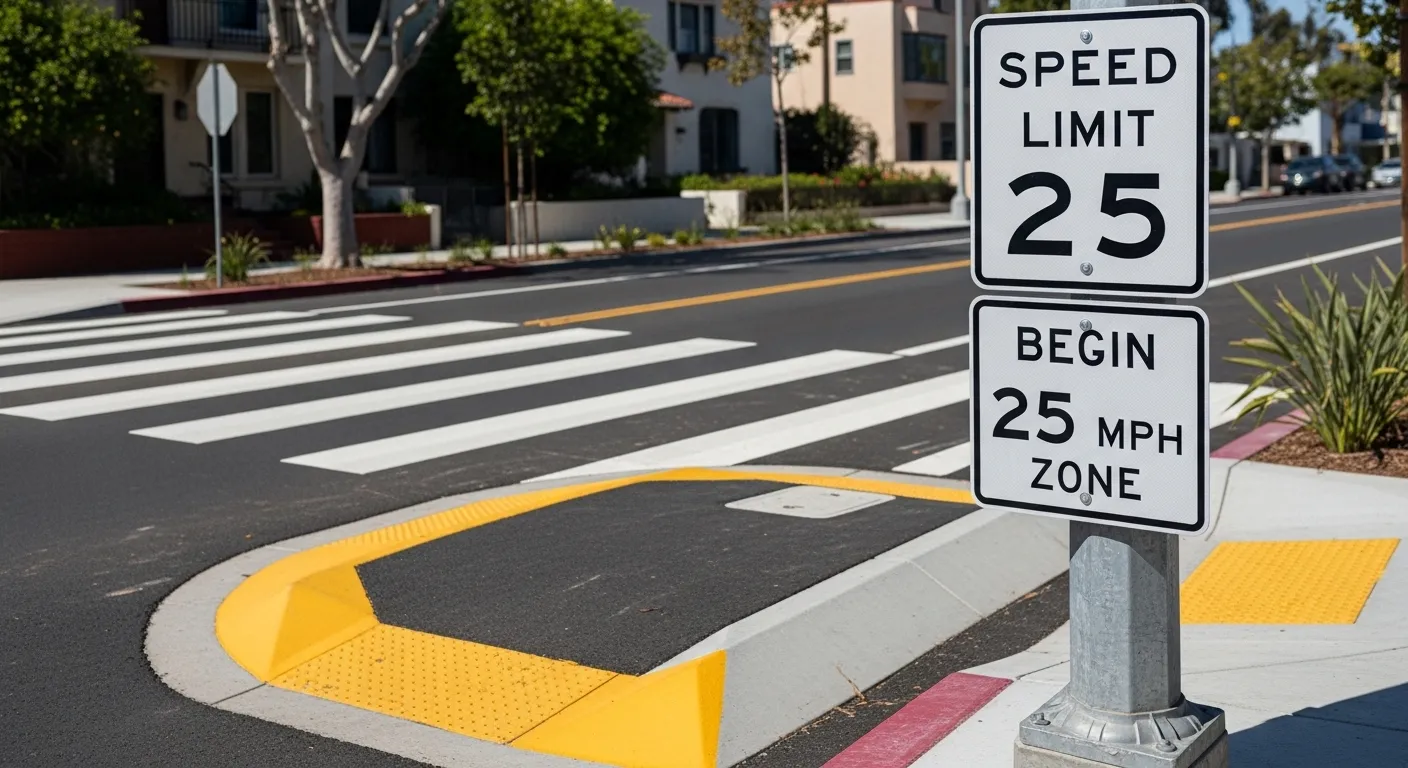
What makes 2026 different is San Diego’s stronger focus on traffic safety. The city continues to advance data-driven speed management and Vision Zero efforts. That does not hand a victim an automatic win. Still, it can change how lawyers, insurers, and experts view the crash scene.
Why speed and corridor changes matter in injury cases
Many people misunderstand this issue. A lower posted speed does not automatically prove negligence. The injured person still must show what the driver did wrong, how that caused the crash, and what losses followed. Even so, speed-limit changes and corridor design still matter. They help explain why extra caution was necessary in that specific location.
A lower speed limit does not prove the case by itself
Insurance companies still push back. They may argue the driver stayed below the posted speed. They may say the pedestrian crossed suddenly or that the collision would have happened anyway. That is why these cases still depend on evidence such as braking distance, signal timing, sight lines, turn angle, witness statements, and phone use. If you are dealing with this kind of crash, review what to do after a car accident in San Diego as early as possible.
Street context can still strengthen your argument
Context helps tell the full story. A speed that may seem normal on a wide road may be unsafe in a corridor with heavy foot traffic, parked cars, bike activity, or recent safety changes. When the area already has known risks, that fact can support a stronger negligence claim. It can also weaken the defense argument that the crash was unavoidable.
Many serious intersection crashes are avoidable. Drivers often cause them by speeding, turning too fast, watching a phone, or failing to yield to people they should have seen.
Turning and crosswalk crashes often create the hardest disputes
Some of the toughest cases involve left turns, right turns on red, crosswalks, and mixed-use streets. In those crashes, the insurer often tries to spread the blame around. They may claim the pedestrian stepped out too late. They may say the cyclist moved too fast. They may argue the injured person was hard to see. That is why early evidence matters so much.
Comparative negligence comes up fast in California cases
Even when the driver made the main mistake, the insurer may still argue shared fault. California allows comparative negligence, so many cases become a fight over percentages. The insurer may admit partial fault while still trying to reduce what it pays. That happens often in crosswalk, bicycle, scooter, and turning cases. Because of that, injured people should review the top mistakes to avoid when filing a personal injury claim in San Diego before making casual statements to the insurer.
Small details often decide these claims. A short video clip, a strong photo, a witness who noticed distraction, or a clear impact point can change the whole case. The sooner you preserve that evidence, the harder it becomes for the defense to change the story.
How Safe Streets Data and Early Evidence Can Affect Fault
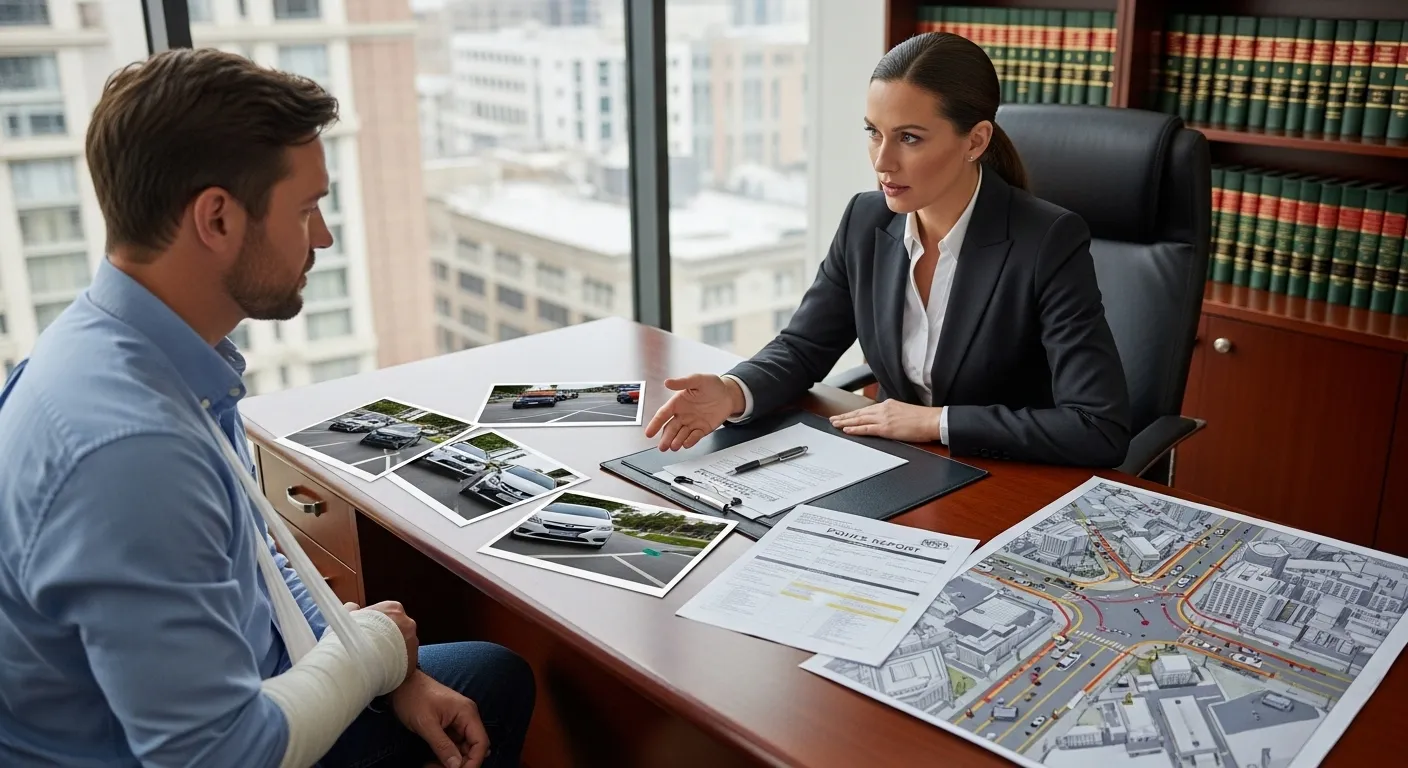
Most injured people do not realize how quickly evidence disappears. Nearby businesses may record over video. Dashcam owners may delete files. Skid marks fade. Vehicles get repaired. Witnesses stop answering calls. A case that looked obvious on the first day can look much weaker a few weeks later. That is why strong intersection claims depend on fast documentation.
Safe-streets data can also help support the claim. It does not replace direct proof from the crash itself. Still, it can show that the area already had known risks. It can also explain why slower driving and added caution mattered at that location.
What evidence usually matters most after an intersection crash
The strongest evidence usually comes from the crash itself. Photos, video, witness accounts, police observations, medical records, and damage patterns often matter more than broad traffic-policy arguments. When you combine those facts with reliable street-safety context, the claim becomes more persuasive.
What to preserve during the first few days
Start with medical care and a crash report. Then preserve every visual detail you can. Take photos of traffic lights, crosswalk markings, lane arrows, curb ramps, parked-car obstructions, posted speed signs, debris, and vehicle damage. Ask nearby businesses if they have video. Look for home cameras and dashcams. Save rideshare trip details if Uber or Lyft was involved. If you suspect distraction, also review phone, app, and screen evidence in distracted-driving cases.
Medical records and deadlines also shape the claim
Crash evidence is only part of the case. Medical proof matters just as much. If the defense contests fault, it may also attack your injuries and treatment. That is why you should treat medical records as core evidence, not paperwork. A clear treatment timeline helps show that the crash caused real harm. For more on that issue, see the role of medical records in strengthening your personal injury case.
Do not wait too long to look at deadlines
Deadlines matter in every injury claim. They matter even more when a public roadway issue, government vehicle, or public entity may be involved. Do not assume you have plenty of time. Review California’s statute of limitations for personal injury claims early so delay does not damage the case.
In the end, San Diego intersection injury claims 2026 involve more than a dispute over the right of way. They require proof of how the crash happened on a real San Diego street. Lower speed limits, corridor safety work, and Vision Zero data do not replace direct evidence. They can, however, support a stronger negligence argument when used the right way. For an outside source, review the City of San Diego’s Vision Zero data and information page. Then compare that larger safety picture with the specific facts from your crash.