
E-bikes are everywhere in San Diego now. You see them in Downtown, Mission Valley, Pacific Beach, college areas, and suburban neighborhoods where riders use them for commuting, school, deliveries, and weekend trips. That growth has created a real problem for injury victims: more crashes, more severe injuries, and more confusion about who is legally responsible when something goes wrong.
A lot of people still treat e-bikes like regular bicycles. That is a mistake.
In California, e-bikes sit in a legal gray area that can become a mess after a crash. Some are treated similarly to bicycles. Others may cross the line into a more heavily regulated vehicle depending on speed, design, or modification. Add in new 2026 safety rules, local San Diego County pilot programs, insurance disputes, and questions about rider age, and you have the kind of accident claim that insurers love to complicate.
If you were hurt in an e-bike accident in San Diego, here is what you need to know about the law, liability, and how to protect your claim.
Why E-Bike Accidents Are Becoming a Bigger Issue in San Diego
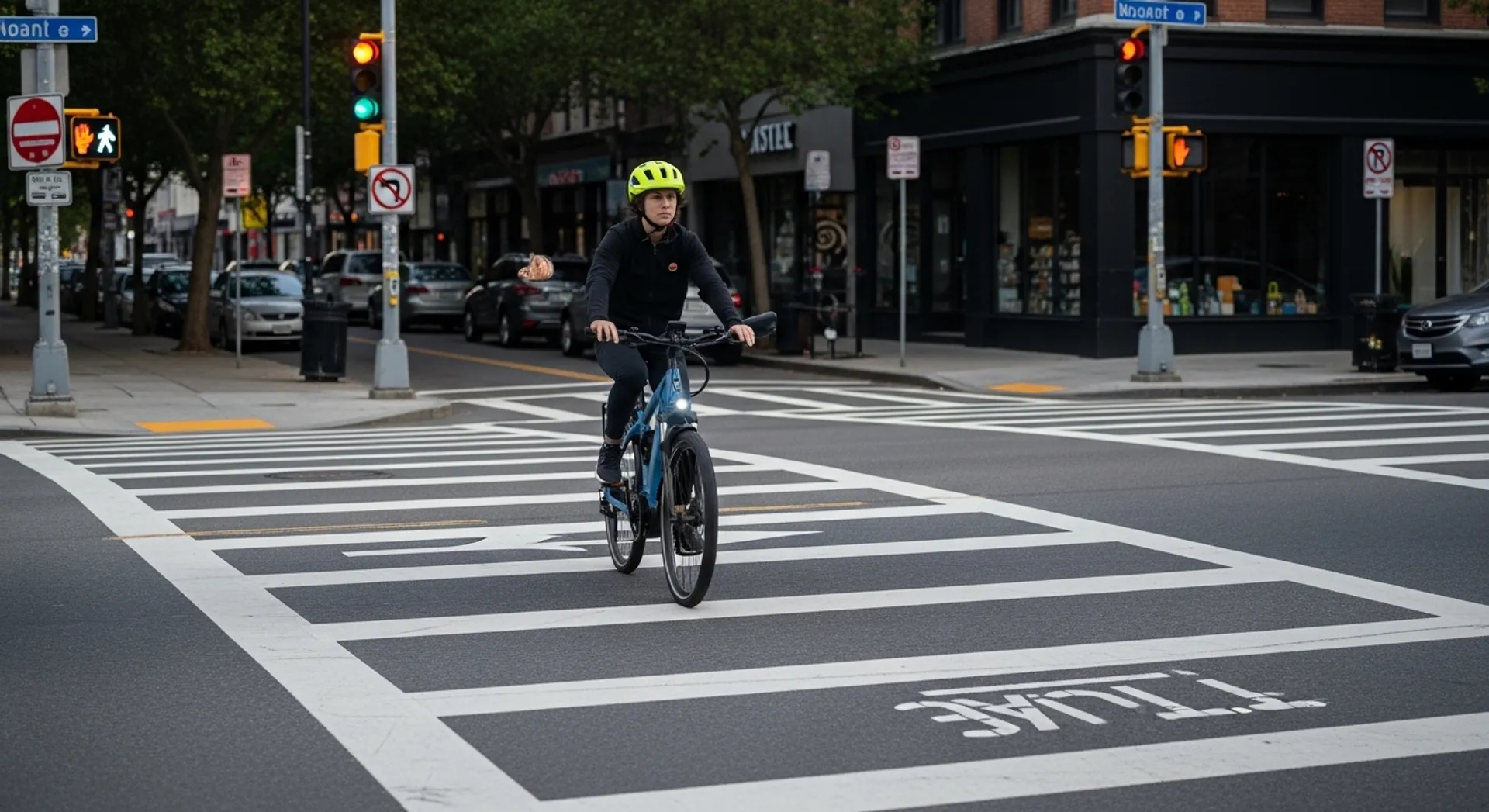
San Diego has become a major micromobility city. E-bikes appeal to commuters, teens, tourists, and delivery workers because they are fast, affordable, and practical. The downside is obvious: when a motor-assisted bike mixes with cars, pedestrians, scooters, and crowded streets, the risk of serious injury goes up fast.
The danger is not just theoretical. Medical and safety reporting tied to California and San Diego has shown growing concern over e-bike injuries, especially among children and teens. That concern is one reason local and state lawmakers have pushed tougher safety standards and more enforcement.
For injured riders, that matters because the legal landscape is changing. A crash that might have looked like a simple bike collision a few years ago may now involve questions about classification, age restrictions, equipment compliance, and whether the bike was unlawfully modified.
Understanding California E-Bike Classes
Not every e-bike is the same, and classification matters in an injury case.
California generally recognizes three classes of electric bicycles:
Class 1
These are pedal-assist bikes that stop providing assistance at 20 mph.
Class 2
These bikes can use a motor to propel the bike without pedaling and are also generally limited to 20 mph.
Class 3
These are pedal-assist e-bikes that can assist up to 28 mph. In California, Class 3 riders must generally be at least 16 years old and wear a helmet.
That sounds simple, but real-world crashes are not simple. Some devices sold as “e-bikes” may actually be more like electric motorcycles or mopeds. Others are modified after purchase to exceed legal speed limits. Once that happens, liability can shift fast.
That distinction matters because a rider, parent, seller, manufacturer, or another party may face added scrutiny if the device was illegally modified or misrepresented.
What Changed With New Safety Rules and Why It Matters
California has been tightening rules around e-bikes and related devices. Recent changes include stronger safety standards for batteries and labeling, while San Diego County cities have also been given authority under a pilot program to restrict younger riders on certain classes of e-bikes.
That is not just background noise. It can directly affect your injury claim.
For example, if a crash involved:
- an underage rider operating a restricted e-bike,
- a high-powered device wrongly marketed as an e-bike,
- a modified bike that exceeded legal limits,
- missing safety equipment or noncompliant components,
the insurance company will almost certainly use those facts to argue over fault.
That does not automatically mean the injured person loses the case. California follows comparative negligence rules, which means an injured person can still recover compensation even if they were partly at fault. But it does mean the facts need to be investigated carefully and early.
Who Can Be Liable in a San Diego E-Bike Accident?
One of the biggest mistakes people make is assuming only the driver or rider is responsible. In reality, e-bike accident claims can involve multiple liable parties.
1. A Negligent Driver
This is the most common scenario. A driver may have:
- failed to yield,
- turned across a bike lane,
- opened a door into the rider’s path,
- changed lanes without checking blind spots,
- sped through an intersection,
- driven distracted.
If a motorist hit an e-bike rider, the claim may look similar to a standard bicycle or car accident case, but the injury severity can be much worse due to impact speed and limited rider protection.
2. The E-Bike Rider
If the rider ignored traffic laws, rode unpredictably, traveled at an unsafe speed, or used a device that did not legally qualify as an e-bike, they may share fault.
3. A Parent or Guardian
In some youth cases, especially where a minor was using an unlawful or modified device, questions may arise about supervision, permission, or negligent entrustment.
4. A Manufacturer or Seller
If the crash involved defective brakes, battery fires, faulty throttle systems, poor labeling, or a bike marketed in a misleading way, a product liability claim may be on the table.
That is especially relevant when a so-called e-bike was sold as street-legal even though its actual speed or power pushed it outside lawful classification.
5. A Government Entity or Property Owner
Bad road design, dangerous pavement, missing signage, poor visibility, or unsafe path maintenance may also contribute to an accident. In those cases, the city, county, or another property owner may share responsibility.
Common Injuries in E-Bike Accident Cases
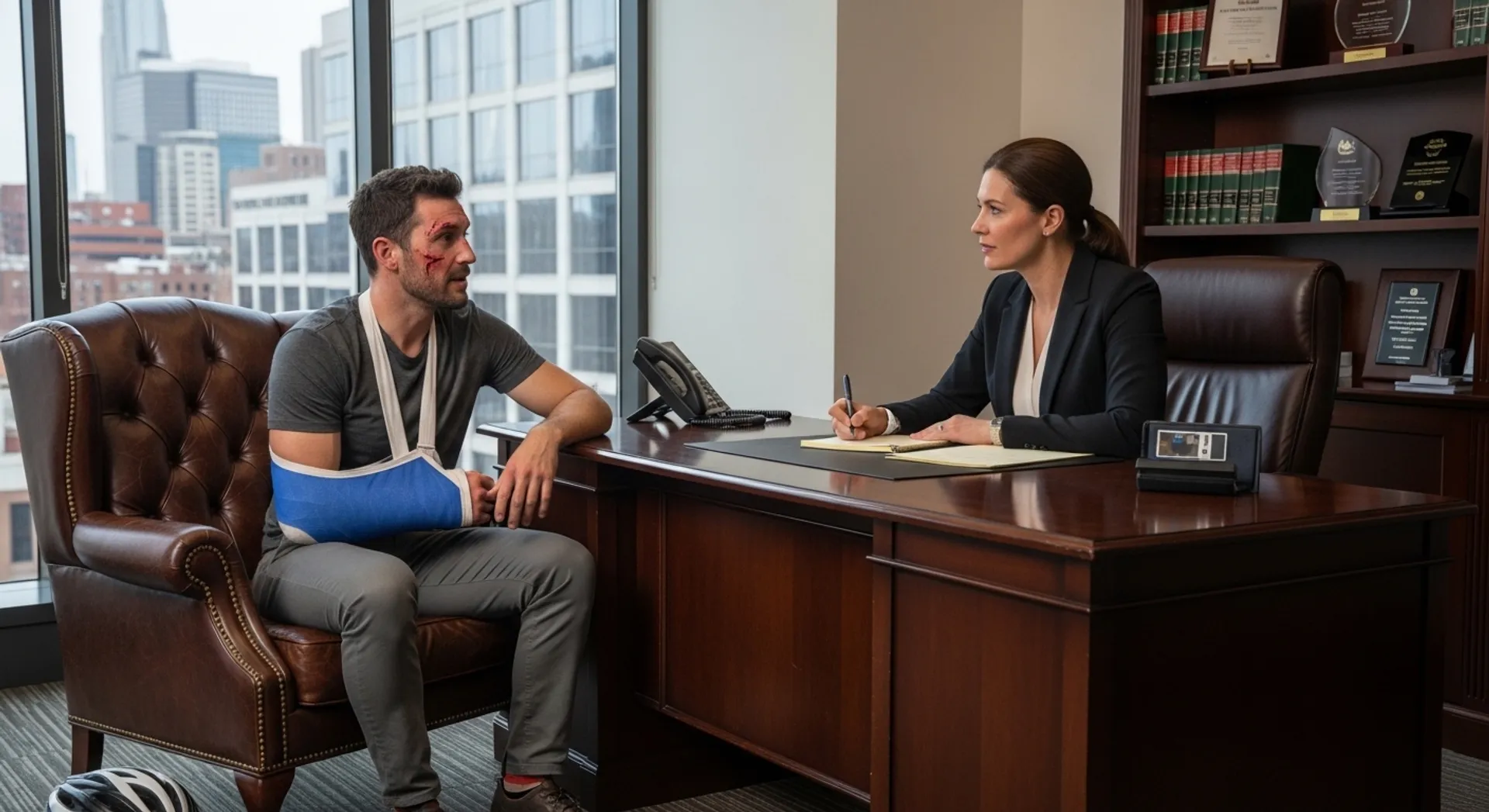
E-bike crashes can be brutal. Even at moderate speeds, riders can suffer serious trauma because they have little protection during impact.
Common injuries include:
- traumatic brain injuries,
- skull fractures,
- facial injuries,
- spinal injuries,
- broken wrists, arms, and collarbones,
- leg fractures,
- road rash and deep lacerations,
- internal bleeding,
- long-term orthopedic damage.
These injuries often require more than one ER visit. Some victims need surgery, physical therapy, neurological follow-up, and extended time away from work. That is why documenting treatment from day one is critical.
For help on that issue, you can internally link to:
https://www.sandiegoinjuryattorney.net/the-role-of-medical-records-in-personal-injury-lawsuits/
What To Do Immediately After an E-Bike Crash
What you do in the first hours and days after the crash can make or break your case.
Get medical care right away
Do not try to “walk it off.” Head injuries and internal trauma can show up later.
Call the police
An official report helps establish time, place, statements, and initial fault details.
Photograph everything
Take photos of:
- the e-bike,
- the car or other vehicle,
- skid marks,
- the roadway,
- bike lanes or crosswalks,
- traffic signs,
- visible injuries,
- helmet and damaged gear.
Preserve the e-bike
Do not repair it yet. The condition of the bike may become evidence, especially if classification, speed capability, or mechanical failure is disputed.
Get witness information
Neutral witnesses can be the difference between a denied claim and a strong settlement.
Avoid giving a polished statement to the insurer
Insurance adjusters look for ways to shift blame. Keep it basic until you understand your legal position.
You can also add an internal link here to:Top 5 Mistakes to Avoid After a Car Accident in San Diego
Even though it focuses on car crashes, many of the same evidence and insurance mistakes apply.
How California Comparative Negligence Affects Your Claim
California uses pure comparative negligence. That means even if you were partly responsible, you may still recover damages.
Example: if your damages are $100,000 and you are found 20% at fault, you may still recover $80,000.
This matters in e-bike cases because insurers often argue:
- the rider was going too fast,
- the rider crossed unsafely,
- the rider used an unlawful device,
- the rider failed to wear required safety gear,
- the rider was not visible enough.
Some of those arguments are legit. Some are just tactics to cut the payout. The point is that fault needs to be analyzed, not assumed.
For a related internal link, use:How to Maximize Your Personal Injury Settlement in San Diego
What Damages Can You Recover?
A successful San Diego e-bike injury claim may include compensation for:
- emergency medical bills,
- future treatment costs,
- surgery and rehabilitation,
- lost income,
- reduced earning capacity,
- pain and suffering,
- emotional distress,
- property damage,
- long-term disability-related losses.
In fatal cases, surviving family members may also have a wrongful death claim.
Why These Cases Need Fast Investigation
E-bike accident cases can go sideways fast because evidence disappears. Bikes get repaired. Apps get deleted. surveillance footage gets overwritten. Witnesses vanish. The device itself may hold important clues about speed capability, throttle function, or modifications.
That is why early legal review matters. A strong attorney will look at the rider’s path, road design, police findings, vehicle data, witness accounts, the bike’s classification, and whether a product defect played a role.
For a strong external authority link in the article, use:National Highway Traffic Safety Administration (NHTSA)
Final Thoughts
E-bike accidents in San Diego are not just another version of a bicycle crash. The law is moving, the technology is changing, and insurers are already using that confusion to protect themselves.
If you were injured in an e-bike accident, the key issues are simple: identify the correct classification, preserve the bike, document the injuries, lock down the evidence, and do not let the insurance company define fault before the facts are clear.
As e-bike use keeps growing across San Diego, these cases are only going to become more common and more contested.